Romania Bucharest Street-Food Cash Math Breaks Down After 8 PM
Bucharest's street-food reputation travels far. Instagram feeds show trays of sizzling mici, golden covrigi, and bowls of ciorba de burta. What those posts rarely mention is that the city's street-food economy runs on cash and an early curfew. By 8 PM, most stalls are shuttered, ATMs in tourist areas run dry or charge fees, and the few remaining options often double their prices. If you show up at 9 PM expecting a vibrant market scene, you will find locked grilles and the faint smell of grease.
Cash Is King Until the Last Vendor Packs Up
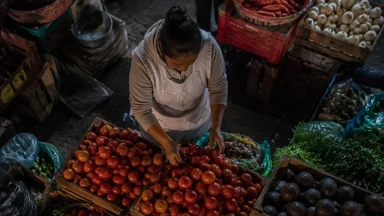
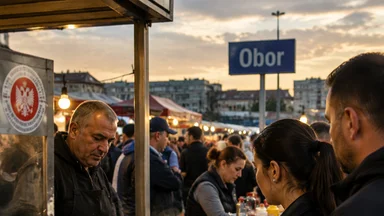
Bucharest's traditional markets, like Obor, are almost entirely cash-only. Vendors there have operated that way for decades, and card terminals are rare. Even at the fast-food court inside Obor, where some counters accept cards, the connection can be spotty on busy afternoons. Maria Popescu, a local food blogger who has documented Bucharest street food for years, told me that “the vast majority of street vendors do not have POS machines. They prefer cash because it's instant and there are no transaction fees.”
After 8 PM, the situation worsens. ATMs in the Lipscani area, the historic heart of the city's nightlife, frequently run out of lei or charge surcharges of 10–15 lei per withdrawal. Some machines dispense only large denominations — 100 or 200 lei notes — which vendors cannot break. Carrying small denominations, like 1, 5, and 10 lei notes, is essential for buying mici (around 3–5 lei each) or covrigi (2–4 lei).
Card acceptance is not entirely absent. Some newer kiosks and food trucks, especially those near Calea Victoriei, use mobile POS terminals. But these often impose a minimum spend of 10–15 lei. For a single covrig, that means you either buy three or pay cash. A few convenience stores accept cards, but they are not street-food vendors. The bottom line: carry at least 50–100 lei in small bills if you plan to eat from stalls after sunset.
This cash dependence is not unique to Bucharest. Similar patterns appear in other Eastern European markets, as we noted in our coverage of Oaxaca Market Stall Cash Math. The difference is that Oaxaca's cash window shifts in the morning; Bucharest's shifts at night.
The 8 PM Curfew No One Told You About
Walk through Piata Unirii at 7 PM and you will see a dozen stalls selling mici, langos, and grilled meat. Return at 8:15 PM and most are closed, their grills covered with tarps. This is not a secret — Google Maps 'popular times' data shows a sharp drop-off in foot traffic after 8 PM — but it catches tourists off guard. The Instagram narrative of Bucharest as a late-night street-food city is largely false.
Vendors close early for practical reasons. Many operate as family businesses with no staff for evening shifts. Others rely on lunch crowds from nearby offices. After 8 PM, the customer base shifts to club-goers who prefer sit-down restaurants or fast-food chains. The stalls that do stay open, like a handful near Beraria H din Unirii, often charge double. A mici that costs 4 lei at lunch can be 8 lei after 9 PM.
Some exceptions exist. A few 24/7 bakeries, like those in the Simigia Bucuresti chain, sell fresh pastries around the clock. But these are bakeries, not street-food stalls. They offer covrigi and placinte, but not grilled meats or soups. For a full street-food experience, you need to eat before 8 PM.
Local food blogger Maria Popescu advises checking Google Maps for 'popular times' before heading out. “If the graph shows a drop after 8 PM, believe it,” she says. “Don't assume the stall will be open just because it was busy at 6 PM.” This aligns with what we found in Oman Winter Hikes — timing is everything, and local patterns differ from tourist expectations.
Hygiene Cues Locals Actually Watch For
Street-food hygiene in Bucharest is generally good, but not uniformly so. Locals use a few reliable cues that tourists often miss. The most visible is the red-and-white health inspection sticker from ANSVSA (the national food safety authority). Stalls that have passed inspection display this sticker prominently. If you do not see one, think twice.
Another cue is how the vendor handles money. If they take cash with the same hand that handles food, without gloves or a barrier, that is a red flag. Many vendors use tongs or paper wrappers to avoid contact, but not all. Watch a transaction or two before ordering. If the vendor wipes their hands on a rag and then grabs a mici, move on.
Busy stalls are generally safer because high turnover means fresher ingredients. A stall that sells out by 8 PM likely had good quality. A stall with a pile of unsold covrigi at 9 PM suggests they have been sitting for hours. Also check the oil in the frying station. Clean, golden oil is a good sign; dark, murky oil indicates it has been used too long.
For soups like ciorba de burta, look for vats kept above 60°C (140°F). If the soup is lukewarm, bacteria can grow. Some vendors use steam tables, but not all. A quick touch of the bowl's side can tell you if it is hot enough. These cues are not foolproof, but they reduce risk. As one Romanian friend told me, “If the stall looks clean and the vendor cares about their setup, the food is probably fine.”
What to Eat (and Skip) After Dark
If you find yourself hungry after 8 PM, your options narrow but do not disappear. The best bets are chains and a few reliable spots. Cartofisserie, a local chain known for its mici, serves consistent quality until 10 PM at some locations. The mici are not the best in the city — that title belongs to Obor's daytime stalls — but they are reliable. Covrigi from Luca, another chain, are fresh until about 8 PM. After that, they are often reheated and stale.
Skip langos from stalls near nightclubs, especially on Strada Franceză. These are often made in bulk and reheated in microwaves, resulting in a greasy, doughy mess. If you want langos, find a dedicated bakery that makes them fresh. Papanasi, the fried cheese doughnuts, are available at La Mama until late, but at 25 lei they are pricey for what you get. Worth trying once, but not a daily option.
Shawarma from Doner Point is passable — not authentic Romanian, but filling and cheap. The meat is cooked on a vertical spit, and the vegetables are fresh. It is a common late-night choice for locals leaving bars. Just do not expect it to rival the shawarma in Istanbul or Berlin. For a more Romanian option, look for a simigie (bakery) open late. They sell covrigi, placinte (savory pies), and sometimes mici.
One tip: avoid any vendor that offers a “special” late-night menu. That usually means yesterday's leftovers. Stick to what is cooked in front of you. As with Thailand Southern Rail Lodging, the reliable option is often the one that requires a bit more planning.
How to Find Late-Night Food That Locals Trust
Locals have their own networks for late-night eating. Taxi drivers, for instance, know exactly where to go after midnight. They often gather at a handful of 24/7 bakeries and kebab shops. If you see a line of taxis outside a simigie at 11 PM, that is a good sign. Ask your driver where they eat — they will usually point you to a place that is clean, affordable, and open.
Romanian Facebook groups like “Mancare de pe strada” (Street Food) are another resource. Members post real-time updates about which stalls are open and what is good. The language barrier can be an issue, but Google Translate works well enough to get the gist. Look for posts with photos of fresh food and comments from multiple users.
Another cue: lines outside bakeries around 10 PM. That is when many bakeries do a second batch of bread and pastries for the next morning. Locals line up for fresh covrigi straight from the oven. If you see a queue, join it. The Simigia Bucuresti chain has several 24/7 outlets, including one on Calea Mosilor. Their covrigi are consistently good.
Avoid vendors near clubs on Strada Franceză after 11 PM. These stalls cater to drunk crowds and often serve low-quality food at inflated prices. The hygiene is questionable, and the turnover is slow. One local told me, “I wouldn't eat from those stalls even if I was starving. They know you have no other option.” Stick to the places that serve a mixed crowd, not just club-goers.
Three Exceptions That Break the Cash Rule
Despite the cash-heavy norm, a few exceptions exist. Obor's fast-food court, located inside the market, accepts cards at most counters. The terminals are reliable during the day, though they can have connectivity issues during peak hours. If you visit Obor before 6 PM, you can pay with a card for mici, fries, and drinks. After 6 PM, some counters switch to cash only as they prepare to close.
Baneasa Shopping City, a mall in the north of Bucharest, has a food court that is fully card-friendly until 10 PM. The options are more generic — KFC, Pizza Hut, local chains — but it is a reliable backup. The food court stays busy until closing, and the ATMs inside are well-stocked. If you are near Baneasa and hungry after 8 PM, this is a safe bet.
Some newer food trucks on Calea Victoriei use mobile POS terminals and accept cards. These trucks are part of a trend toward modernizing street food in Bucharest. They often serve gourmet burgers, tacos, or fusion dishes. The prices are higher — 20–30 lei for a main — but the quality is good. Even these trucks can have connectivity issues on busy nights, so carry some cash as backup.
Still, carrying 50–100 lei in small denominations remains the safest strategy. As Maria Popescu put it, “Cash is the language of street food in Bucharest. If you don't speak it, you will miss out.” The exceptions are real but not universal. Plan for cash, and treat card acceptance as a bonus.
The Trade-Off: Convenience vs. Authenticity
Many travelers face a dilemma: do you prioritize convenience (card-friendly, later hours) or authenticity (cash-only, early-closing stalls)? There is no single right answer. The most authentic street-food experiences — the ones locals rave about — are almost always cash-only and closed by 8 PM. Obor's mici, for instance, are legendary precisely because they are made by vendors who have been doing it for decades, using family recipes. Those vendors have no incentive to install card terminals or extend hours. Their customers are locals who know the drill.
On the other hand, convenience has its place. If you are jet-lagged, arriving late, or traveling with children, hunting for an obscure cash-only stall at 7 PM may not be practical. In that case, the card-friendly options at Baneasa or Calea Victoriei food trucks are perfectly fine. You miss the atmosphere of a traditional market, but you gain reliability and speed.
There is also a middle path: visit Obor during the day, when it is cash-friendly and open, and then supplement with a late-night bakery or kebab if you get hungry again. This way you get both the authentic experience and the convenience. Many locals do exactly this — they eat a big lunch at the market, then grab a covrig or shawarma after a night out.
One counter-argument worth considering: some travelers argue that the late-night food scene in Bucharest is actually better than the daytime one, precisely because it is less touristy. They point to the 24/7 bakeries and taxi-driver hangouts as hidden gems. There is some truth to that. A simigie at midnight, with fresh bread coming out of the oven and a mix of taxi drivers, night-shift workers, and insomniacs, has its own charm. But it is a different experience from the bustling market stalls of the day. Neither is superior; they are just different.
Planning Your Evening: A Practical Strategy
To navigate Bucharest's street-food landscape after dark, a little planning goes a long way. Start by checking Google Maps 'popular times' for any stall you plan to visit. If the graph shows a steep drop after 8 PM, assume it will be closed. Have a backup plan: a nearby bakery or a chain restaurant that you know accepts cards and stays open later.
Withdraw cash early in the day from a bank ATM, not from the standalone machines in Lipscani. Bank ATMs typically have lower fees and dispense smaller denominations. Aim for a mix of 1, 5, 10, and 50 lei notes. Avoid 100 and 200 lei notes unless you are sure the vendor can break them — most cannot.
If you are staying in a hotel, ask the front desk for recommendations. They often know which nearby stalls are reliable and open late. In my experience, hotel staff are more accurate than online reviews, which may be outdated. One concierge in Bucharest told me that the best late-night mici are at a stall near Piata Romana that stays open until 10 PM on weekends. I checked it out — he was right.
Finally, keep an open mind. Bucharest's street-food scene may not be a late-night paradise, but it rewards those who adapt. The early curfew and cash dependency are not flaws; they are features of a system built for locals, not tourists. Embracing that system — carrying small bills, eating early, trusting a taxi driver's recommendation — will get you better food than any Instagram post ever could.