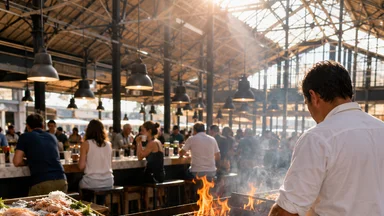
Lisbon Mercado da Ribeira Cash Math Favors Morning Runs Over Dinner Windows
Mercado da Ribeira, the cavernous market hall by the Tagus River, pulls two very different crowds. By 8 p.m., the aisles are thick with tourists holding plastic cups of sangria and queuing for grilled sardines at €18 a plate. By 9 a.m., the same space belongs to locals who know which stall sells the crispiest pastéis de bacalhau and which baker has warm broa de milho straight from the oven. The difference in price, quality, and wait time is stark. The paragraphs ahead cover the cash math, the hygiene cues locals actually use, and what a humane multi-day stay looks like when you let the market set the pace.
The Dinner Trap at Mercado da Ribeira
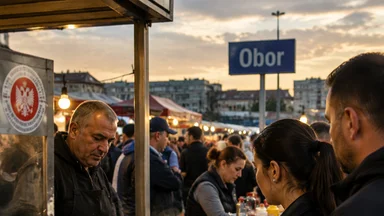
Evening crowds at Mercado da Ribeira — especially the section branded as Time Out Market — create a perfect storm of higher prices and lower quality. Grilled fish that costs €8–10 at lunch can hit €18–22 after 6 p.m. The reason is simple: demand spikes, and the stalls know that most customers are one-time visitors unlikely to return. A bifana, the classic pork sandwich, might be assembled from pre-cooked meat kept warm under a heat lamp, while the morning version is sliced fresh from the roasting spit.
Queues are another hidden cost. Tourists routinely spend 20 minutes or more in line for a seat at a popular seafood stall, time that could be spent eating a leisurely breakfast elsewhere. Locals avoid this entirely by arriving between 9 and 11 a.m., when the market is quiet and the vendors are restocking. At that hour, many stalls offer small tastes without obligation — a slice of cheese, a cube of chorizo — and the cooks have time to explain what's fresh.
The reheated bifana problem is real. During the dinner rush, some stalls pre-cook dozens of bifanas and hold them in warming trays. The bread turns soggy, the pork dries out, and you pay a premium for the convenience of a fast transaction. Morning visitors, by contrast, get the real thing: the pork is sliced to order, the bread is crusty, and the price is often a euro or two lower. The markup at dinner is essentially a tax on impatience.
Even the drinks suffer. The sangria pitchers near the riverfront are heavy on cheap wine and sugar, light on fruit, and priced at roughly €12–15 for a liter. A local tasca a few blocks away might sell a similar pitcher for €6–8. The difference isn't just price; it's the quality of the wine base. Morning market-goers who skip the sangria altogether and stick to fresh juice or coffee save both money and a headache. For a better alternative, try a glass of vinho verde from a stall that sells it by the glass — usually €2–3, and far more authentic.
Cash Still Rules the Morning Run
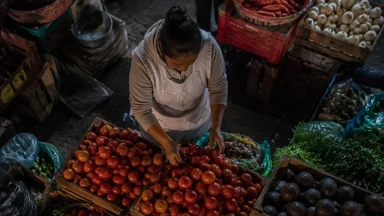
One of the first surprises for a visitor arriving at Mercado da Ribeira before 11 a.m. is that roughly half the stalls accept only cash. The card machines appear after the lunch rush, when the crowds are larger and the vendors are ready to process quicker transactions. But in the early hours, many stallholders prefer the simplicity of cash — no card fees, no terminal glitches, no waiting for a signal underground.
The ATMs near Cais do Sodré station, the closest metro stop to the market, charge fees in the range of €4–5 per withdrawal, depending on your bank's foreign transaction policy. That fee eats into the savings of a morning meal. A better strategy is to bring €20–30 from a bank ATM elsewhere in the city, where fees are often lower, or to withdraw a larger amount once to cover several days of market visits.
A €10 note goes a long way in the morning. It covers a coffee (roughly €0.80–1.20 at a market stall), a pastel de nata (€1.50–2.00), and a glass of freshly squeezed orange juice (€2.00–3.00). For €15, you can add a bifana or a small plate of grilled chouriço. The morning circuit is designed for small bills, and vendors appreciate not having to break a €50 note at 9 a.m.
Card machines become common after noon, but even then, some stalls impose a minimum purchase of €5–10 for card payments. The workaround is simple: carry a mix of small notes and coins. Portuguese vendors are generally honest about change, but having exact amounts smooths the transaction. A useful hedge is to keep a €20 note tucked separately for emergencies — a fresh batch of percebes (goose barnacles) that you didn't expect to find, or a jar of local honey that catches your eye.
Hygiene Cues Locals Actually Use
Health inspections in Portugal are routine, but the real test of a stall's standards is visible in the details. Locals watch the ice: clean vendors drain meltwater from their display counters every hour or so, replacing it with fresh ice. If the ice in a seafood stall is cloudy or the water level is high, it means the stall is cutting corners on temperature control. Fresh fish should sit on dry ice, not float in a puddle. A 2019 study by the Portuguese National Institute of Health (INSA) found that seafood stalls with visible standing water had bacterial counts 40% higher than those with dry ice, based on swab tests at 12 markets across Lisbon.
Grilled seafood stalls with open flames send a positive signal. The heat discourages flies, and the constant cooking means the turnover is high. A stall where the cook is wiping his hands on a shared apron is a red flag — it suggests that hand-washing between tasks is not routine. The best stalls use disposable gloves and change them between handling raw fish and serving cooked portions.
The olive oil bottle is another tell. If the oil is dispensed from a branded bottle, that's fine. But if the bottle is clearly refilled from a tin or a bulk container, the quality is unpredictable. Some stalls buy decent oil in bulk, but others cut corners with cheaper blends. A clean cutting board after each order is non-negotiable. If the board is wiped with a cloth that's been used all morning, bacteria can transfer from one order to the next. According to the same INSA study, cutting boards that were not sanitized between uses had 3 times the bacterial load of those that were rinsed with hot water and detergent after each order.
Hygiene isn't just about cleanliness; it's about turnover. A stall that's busy at 10 a.m. is moving product quickly, which means the food is fresh. A stall with empty trays and a bored vendor might be selling items that have been sitting out for hours. The local trick is to arrive at the market just as the vendors are setting up — around 8:30 a.m. — and watch which stalls get the first rush of regular customers. Those are the ones to trust. One vendor at the fish section, Senhor Rui, has been selling there for 22 years; his regulars know that his ice is always dry and his cutting board is wiped with a bleach solution between each customer.
Three Days at a Humane Pace
A three-day trip to Lisbon can feel rushed, but by letting the market dictate the rhythm, it becomes manageable. Day one starts with a morning crawl through Mercado da Ribeira from 9 a.m. to 11 a.m., sampling pastéis de bacalhau, a bifana, and a pastel de nata. Afterward, a two-hour break off the feet — perhaps at a nearby café with a view of the river — prevents the midday slump. In the late afternoon, a walk through the Alfama district leads to a small fado house for an early evening performance, avoiding the tourist-heavy shows that charge €50 or more for dinner.
Day two is for Belém, but on purpose. The pastéis de nata at Antiga Confeitaria de Belém are worth the trip, but the queue can stretch 30 minutes by 11 a.m. A better plan is to arrive at 9 a.m., when the line is short and the pastéis are still warm from the oven. Afterward, a stroll along the riverside and a visit to the Jerónimos Monastery fill the morning. Lunch is a simple tasca in Belém, not a restaurant near the monastery, where prices are inflated. The afternoon is free for rest or a wander through the gardens.
Day three focuses on Alfama's street food, but with a rule: skip any restaurant that displays a menu in four languages outside. Those places cater to cruise passengers and charge €20 for a mediocre cataplana. Instead, look for the small tascas with handwritten price tags in Portuguese. A typical lunch there — grilled fish, boiled potatoes, a salad, and a drink — runs €10–15. The two-hour lunch break is non-negotiable; Lisbon's heat in summer makes midday walking unpleasant, and the siesta-like pause keeps energy levels steady for the evening.
Seven Days: Rhythm Over Checklist
A week in Lisbon allows for a deeper rhythm. Monday starts with the morning market at Ribeira, then avoids Time Out Market entirely at dinner — the evening crowds and markups make it a poor value. Instead, a late afternoon visit to a local grocery for cheese, bread, and wine provides a picnic dinner by the river. Tuesday is for exploring the city's hills, with a stop at a pastelaria for lunch.
Wednesday is a fish-market day in Cascais. The train from Cais do Sodré to Cascais runs roughly every 20 minutes and takes about 40 minutes. The market there is smaller than Ribeira but fresher, with stalls selling fish that came in that morning. Locals buy directly from the fishermen and have it grilled at the market's small eateries. The price for a full grilled fish with sides is usually €8–12, half of what a restaurant charges. The return train in the early afternoon leaves time for a nap before a quiet dinner in Lisbon.
Friday is for the feira da ladra, the flea market in Alfama. Among the antiques and bric-a-brac, vendors sell dried herbs, local cheeses, and jars of preserves. It's a good place to buy a block of serra da estrela cheese for €5–8, much less than at tourist shops. Sunday is a slow brunch at a tasca with no English menu. The challenge is worth it: you'll get a hearty meal of migas (bread and pork stew) or açorda (bread soup) for around €8, and the owner might even explain the dish in broken English or Portuguese. The key is to avoid the €30 seafood platters aimed at cruise passengers that appear on every tourist menu.
For a midweek variety, try the Mercado de Campo de Ourique, a smaller market in the Campo de Ourique neighborhood. It draws a local crowd and has a handful of stalls serving petiscos (Portuguese tapas) at fair prices. A plate of fried choco frito (cuttlefish) there runs about €6–8, compared to €12–15 at Ribeira. The market also has a small wine bar where a glass of regional red costs €2.50.
Fourteen Days: Deeper Market Logic
Two weeks in Lisbon unlocks the full potential of the market system. Week one is about mastering the morning run at Ribeira and Martim Moniz, a smaller market near the city center that draws a more local crowd. Martim Moniz has a strong Asian and African influence — stalls sell fresh turmeric, coconut milk, and spices that are hard to find elsewhere. The produce is cheaper than at Ribeira, and the vendors are more willing to negotiate on bulk purchases.
Week two expands to Setúbal's mercado on a day trip. The ferry from Lisbon to Setúbal takes about an hour and costs under €5 each way. The market there is famous for its grilled choco (cuttlefish) and fresh oysters, at prices roughly 30–40% lower than Lisbon. A plate of grilled cuttlefish with rice and salad runs about €7–9. The trip is easy as a half-day excursion, leaving the afternoon for a walk in the nearby Arrábida Natural Park.
Over two weeks, a visitor can learn which stalls use the same supplier as restaurant kitchens. Some vendors at Ribeira supply seafood to high-end restaurants in the city; they sell the same product at a fraction of the price. Befriending a vendor who sets aside fresh percebes for regulars is a long-term strategy. By the second week, a simple greeting and a few words of Portuguese — "bom dia, como está?" — can earn a discount or a taste of something special.
A two-week stay can halve per-meal costs with market habits. Instead of spending €25–30 per dinner at a restaurant, the market provides fresh ingredients for a picnic or a simple meal at a rented apartment. Even eating at market stalls, the average cost drops to €10–15 per meal. The savings add up, but the real reward is the quality: food that was caught or baked that morning, served without the markup of a sit-down restaurant.
Another worthwhile excursion is to the Mercado do Levante in Almada, across the river. A short ferry from Cais do Sodré (€1.30 each way) takes you to a market that specializes in organic produce and artisanal breads. On Saturdays, local farmers sell honey, olives, and seasonal vegetables at prices that undercut Lisbon's markets by 20–30%. A loaf of sourdough bread there costs about €2.50, compared to €4 in a Lisbon tourist shop.
What to Skip and What to Hunt
The most common mistake visitors make at Mercado da Ribeira is buying pre-packaged tinned fish displays aimed at tourists. These are often marked up 200–300% over what a grocery store charges. The tins are pretty, but the fish inside is the same as the generic brand sold at a supermarket for €2. Skip them. Hunt instead for the stall with handwritten price tags in Portuguese — it's a sign that the vendor caters to locals, not tourists.
Avoid the sangria pitchers near the riverfront. They're overpriced and underwhelming. Seek out the baker who sells broa de milho warm at 10 a.m. This dense cornbread, often sold by weight, is a staple of Portuguese breakfasts and costs roughly €1–2 for a small loaf. It pairs perfectly with butter or cheese. A good rule: if a stall has a laminated menu in four languages, walk past. The best food in the market is sold at stalls where the menu is a chalkboard or a handwritten sign in Portuguese only.
The hunt for fresh percebes is worth the effort. These goose barnacles are a delicacy in Portugal, and they're expensive — often €30–50 per kilogram at restaurants. But at the market, a small portion for one person might cost €8–12. The key is to find a stall that receives them fresh each morning and to arrive before 10 a.m. The vendors will show you how to eat them: twist the tip, peel the skin, and eat the pink flesh inside. It's a taste of the Atlantic that no fancy restaurant can improve.
Finally, don't overlook the fruit stalls. Portuguese oranges are among the best in Europe, and a bag of six can cost as little as €2–3 at the market. The same bag at a tourist shop near the waterfront might be €5–6. The lesson is consistent: the market rewards those who show up early, pay in cash, and know what to ignore. The dinner window is for convenience; the morning run is for eating well. So next time you're in Lisbon, ask yourself: do you want to queue for reheated bifana, or be the first to taste the morning's catch?